Pod and coil compatibility: how to check before you buy
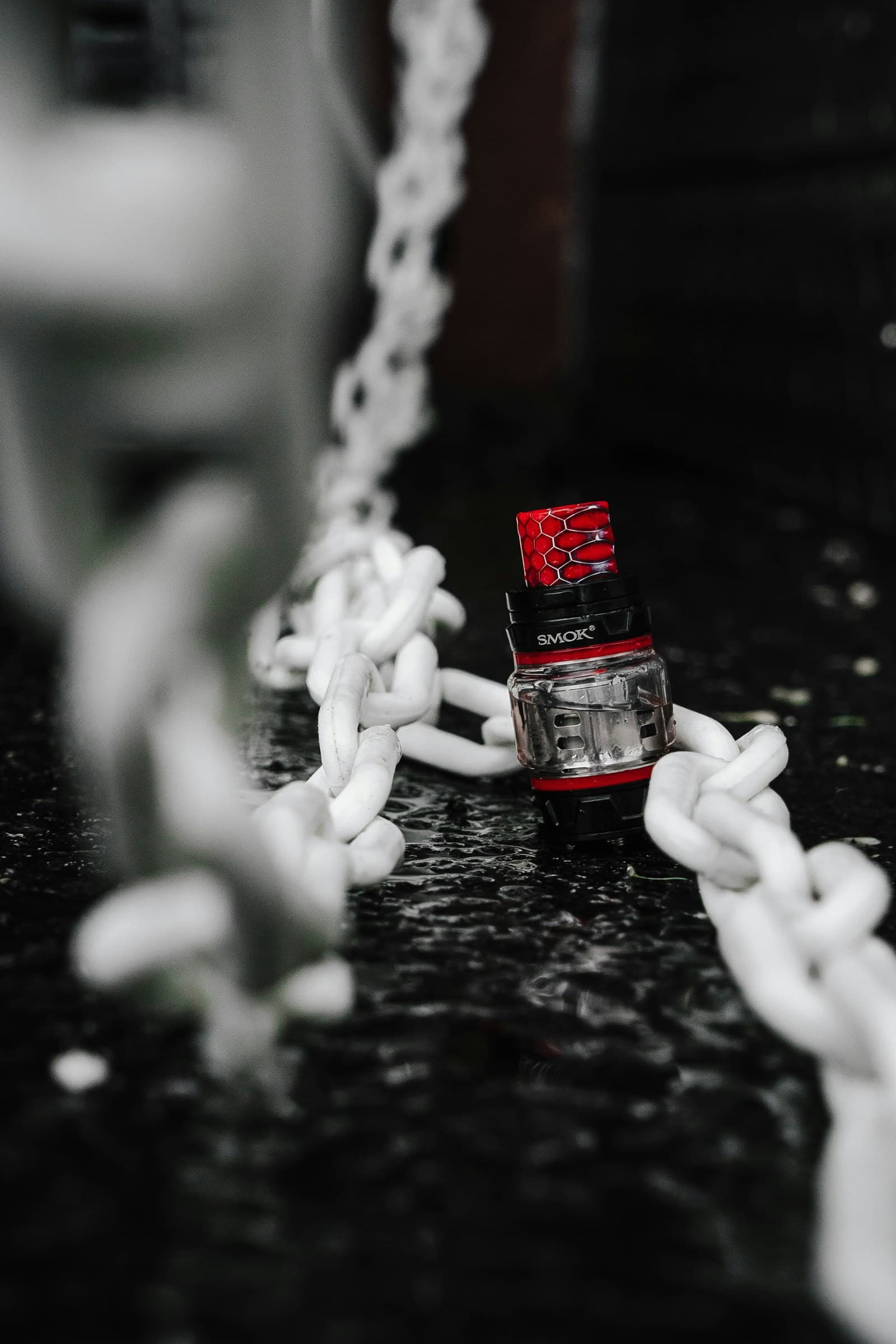
Replacement coils and pods are not universal. A coil head that fits one manufacturer's pod system very rarely fits another, even when the devices look similar or use a similar-sounding name. Buying the wrong one wastes money and, in some cases, damages the device or the coil itself. This guide sets out how to identify your device's coil family before you order a replacement, what the resistance number printed on a coil actually tells you, and how it relates to the e-liquid you're using.
Why coils aren't interchangeable between brands
Coil heads are built to a specific physical fitting, contact pin layout and internal chamber shape designed by one manufacturer for one device range. Two coils can share an identical resistance reading, say 0.6 ohms, and still be completely incompatible, because the threading, magnetic snap-fit or push-fit dimensions differ. Some manufacturers use the same coil family across several devices in their own range (so a coil built for one of their pod kits might fit an older tank from the same brand), but that compatibility is brand-specific, not universal. Packaging usually states which devices a coil is designed for; if a listing doesn't say your device by name, treat it as unconfirmed rather than assuming it will fit.
How to identify your device's coil family
- Check the pod or tank itself. Many pods have a model code printed or moulded into the plastic, often on the underside or along the seam.
- Keep the original box. The coil family name (for example a series or generation number) is usually printed on the outer packaging of the device, not just the coil pack.
- Match by device generation, not just device name. Manufacturers sometimes change the coil fitting between generations of the same product line while keeping a similar name, so a newer version of a device you already own may not share coils with the original.
- Use the retailer's compatibility listing. UK vape shops, both online and on the high street, typically list which devices a coil pack is compatible with directly in the product description. If it isn't listed, ask before buying.
- Photograph the old coil before disposing of it. The resistance value and any model code are printed on the coil body and are the fastest way for shop staff to confirm a match.
Reading resistance and what it means
The resistance value, measured in ohms (Ω), is printed on every coil and determines how much power it needs and what kind of vaping experience it produces. Lower resistance generally means more power passes through the coil, producing more vapour; higher resistance restricts power flow and tends to favour flavour and a tighter draw. These are manufacturer-stated design ranges rather than figures we have independently tested:
| Resistance range | Typical wattage | Draw style | Usually paired with |
|---|---|---|---|
| 1.0Ω–1.8Ω | 8–15W | Tight MTL (mouth-to-lung) | 50/50 VG/PG or nic salt e-liquids |
| 0.6Ω–1.0Ω | 15–30W | Restricted DTL | 60/40 VG/PG |
| 0.15Ω–0.5Ω | 40–80W+ | Open DTL (direct-to-lung) | 70/30 or higher VG e-liquid |
A worked example: matching coil to e-liquid
Say you have a pod kit fitted with a 1.0Ω coil, run around 12W, and it's designed for MTL vaping. Loading that pod with a thick, high-VG shortfill e-liquid is likely to leave you with weak flavour and a wet, gurgling pod, because the wicking material in a low-power MTL coil isn't built to pull thick, high-VG liquid quickly enough. The same coil paired with a thinner, higher-PG nic salt e-liquid is a closer match to what the coil was designed around. In our experience, this mismatch, rather than a faulty coil, is one of the more common reasons a “broken” pod turns out to be working exactly as intended, just with the wrong liquid in it. For the full logic behind VG/PG pairing and nicotine strength, see our guide to coil resistance and e-liquid ratio.
Pre-purchase checklist
- Confirm the exact device name and generation, not just the brand.
- Check the coil pack explicitly lists your device as compatible.
- Note the resistance value of your current coil for comparison.
- Check the pod or tank's maximum fill capacity: under the Tobacco and Related Products Regulations, any single tank, pod or cartridge holding nicotine e-liquid is capped at 2ml, whether refillable or pre-filled, while bottles of nicotine e-liquid are capped at 10ml.
- If you're unsure, take the old coil or the device itself into a vape shop for a visual match.
If a pod is leaking rather than simply underperforming, the cause is often separate from coil compatibility. Our guide to why pods leak and how to fix it covers seating, overfilling and seal wear in more detail. You can also browse device and coil families directly in our coil reference.