Which nic salt strength suits which coil and device?
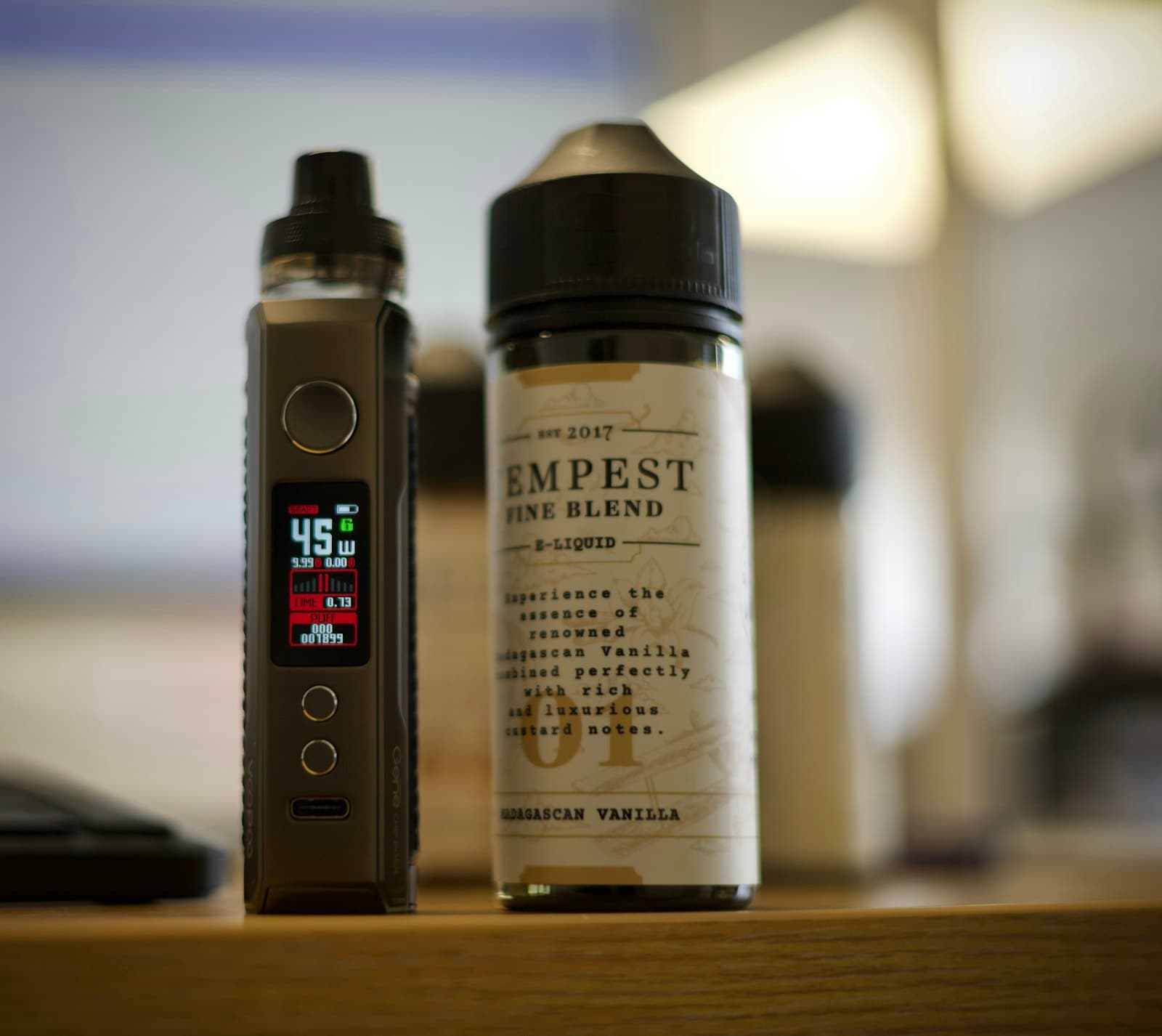
Nic salt strength, coil resistance and device wattage are three separate specs that all shape the same puff, which is why the same bottle of e-liquid can feel completely different from one pod system to the next. This guide sets out how those three specs typically interact, so you can work out roughly what to expect before opening a new bottle in an unfamiliar device. It builds on our existing guide to coil resistance and e-liquid ratio, so it's worth reading that first if you haven't already.
Why nic salts pair with higher-resistance MTL coils
Nicotine salt e-liquids use a different chemical form of nicotine that's generally described as giving a smoother throat hit at higher strengths than standard "freebase" nicotine, which is a widely stated formulation characteristic rather than a health claim. Because they're usually vaped at higher strengths, nic salts are most often formulated as a 50/50 PG/VG mix, similar to Elux's nic salt range, which suits the smaller wicking ports and lower wattage of higher-resistance MTL coils (typically 1.0Ω and above) found in most pod systems. A thinner, 50/50 liquid saturates a low-power MTL coil efficiently without flooding it, in a way a thick, high-VG liquid generally wouldn't.
Why nic salts are usually kept off sub-ohm setups
Sub-ohm coils sit below 1.0Ω, draw more current, and run at higher wattage to produce the denser vapour that direct-to-lung (DTL) vaping is built around. Running a high nic salt strength through a high-wattage sub-ohm coil generally means inhaling far more nicotine per puff than the coil and draw style were designed to deliver comfortably, which is usually described as feeling noticeably harsher than the same strength through a low-power MTL coil. That's the main reason nic salts are marketed and formulated around MTL pod systems rather than sub-ohm tanks and mods, not because the two are chemically incompatible.
How strength interacts with resistance and draw
Coil resistance and wattage govern how much vapour and throat sensation you get from a single puff; nicotine strength governs how much nicotine is in that vapour. The two aren't the same decision, but they compound each other. A tighter-drawing, higher-resistance coil at low wattage delivers a smaller volume of vapour per puff, so a higher strength such as 20mg can feel more proportionate there than it would through a looser, higher-wattage draw, where the same strength is spread across a much larger lungful of vapour. This is a large part of why 20mg nic salts are associated with tight-draw MTL pods specifically, rather than being a strength that suits any coil equally.
UK-regulated e-liquid, including nic salts, is capped at 20mg/ml nicotine strength under the Tobacco and Related Products Regulations (TRPR). Bottles of nicotine-containing e-liquid are limited to 10ml, and any single tank, pod or cartridge holding nicotine e-liquid is limited to 2ml capacity, whether refillable or pre-filled. Ranges sold within these rules, such as Elux vape liquid 5mg through to the 20mg strength in the same range, give an idea of the spread most UK nic salt bottles are sold across, typically in 10ml bottles at 5mg, 10mg and 20mg strengths.
Choosing a strength: general guidance, not a fixed rule
Nicotine needs vary from person to person, so there's no single strength that's "right" for every reader. Many vapers who are new to nic salts, or who previously smoked fewer cigarettes a day, start at a lower strength such as 5mg or 10mg and adjust from there based on how it feels through their own device, rather than assuming the highest available strength is the default choice. If you find a 20mg nic salt feels consistently too strong or harsh through your coil, a lower strength such as 5mg or 10mg may suit you better, though the coil and wattage you're using are just as relevant to that experience as the strength itself. Our coil reference covers the resistance ranges most MTL pods use, and our pod reference covers how pod capacity and ratio typically pair with nic salt formulations.
Strength, resistance and draw reference table
| Nic salt strength | Typical coil resistance | Draw style | Where it's usually vaped |
|---|---|---|---|
| 20mg | 1.0Ω+ | Tight MTL | Low-wattage MTL pod kits |
| 10mg | 0.8Ω–1.2Ω | MTL / restricted MTL | Standard MTL pod kits |
| 5mg | 0.6Ω–1.0Ω | Restricted MTL / loose MTL | Higher-airflow MTL pods |
These are general, widely-used pairings rather than fixed rules; coil resistance and wattage recommendations vary between manufacturers, so it's worth checking the coil packaging and pod maker's guidance for your specific device. According to the NHS, vaping is not risk-free but is substantially less harmful than smoking for adults who already smoke, and refillable pod systems are now the main route into vaping since single-use disposable vapes became illegal to sell across the UK from 1 June 2025.
Quick FAQ
Can I use a high nic salt strength in a sub-ohm tank?
You can, but it's uncommon. Sub-ohm coils run at higher wattage and produce more vapour per puff, so a strength like 20mg tends to feel much harsher there than it would through a lower-powered MTL coil. Most nic salt ranges are formulated with MTL pod systems in mind rather than sub-ohm setups.
Does a higher-resistance coil mean I need a stronger nic salt?
Not necessarily. Coil resistance affects how much vapour and throat sensation you get per puff, not how much nicotine you need. Strength is really about your own nicotine intake and how a given formulation feels to you, so it's worth treating resistance and strength as two separate decisions that happen to interact.
What's the maximum nic salt strength allowed in the UK?
UK-regulated e-liquid, including nic salts, is capped at 20mg/ml nicotine strength under the Tobacco and Related Products Regulations (TRPR). Bottles of nicotine-containing e-liquid are limited to 10ml, and any single tank, pod or cartridge holding nicotine e-liquid is limited to 2ml capacity, whether refillable or pre-filled.